Magnetic assembly
Magnetic Base
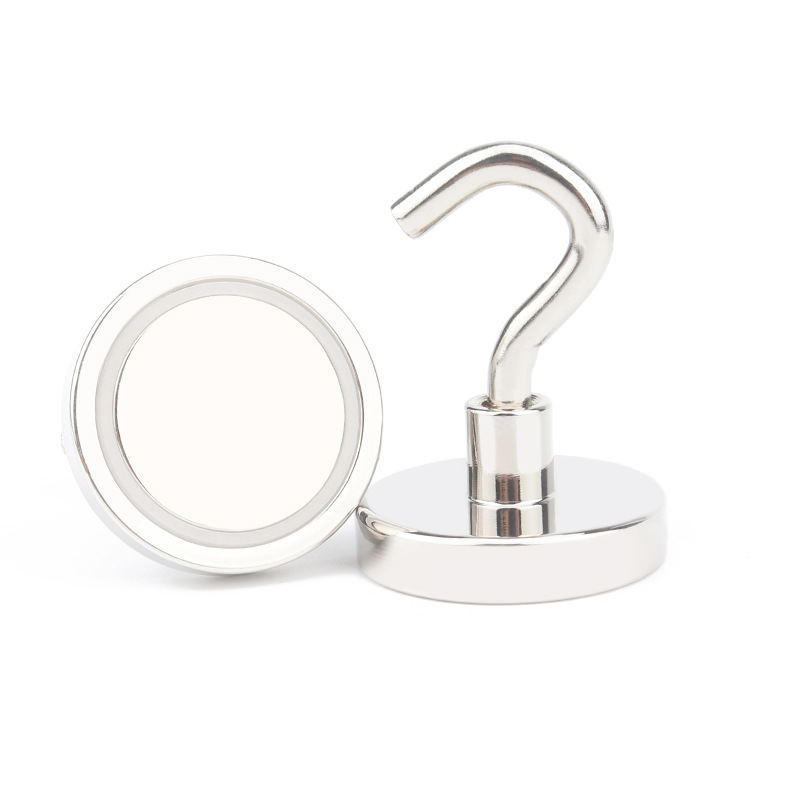
A magnetic base uses an on/off neodymium pot magnet to clamp dial indicators, gauges, lights and sensors onto machine tables and steel structures without tools. YUECI KEJI builds the magnet and steel body to tight flatness so the base sits square.
Applications
Holding dial indicators and test gauges on tables
Clamping lights, cameras and sensors to steel
Fixturing temporary tooling and inspection rigs
Why buyers choose it
- On/off shunt diverts flux so the base locks on steel and lifts off cleanly.
- NdFeB pot magnet gives maximum hold in a compact base.
- Base face ground flat so the mounted instrument reads true.
- Built to tight flatness and pull-checked on each lot.
Specifications
| Grade | NdFeB pot + steel body |
|---|---|
| Shape | Magnetic on/off base |
| Coating | Ni-Cu-Ni / Zinc on magnet; painted or black-oxide body |
| Tolerance | Dimensional tolerances are confirmed against the approved drawing and depend on part size, geometry and finishing process. Please identify critical dimensions when requesting a quotation. |
| Magnetization | Axial through base face (switched) |
| Applications | Dial indicators, Gauge holding, Sensor and light mounts |
| Lead time | Production lead time and shipping transit time are quoted separately. The confirmed schedule depends on the approved drawing, quantity, documentation requirements, destination and shipping method. |
| MOQ | Quoted per inquiry |
| Export control | Export classification is confirmed per shipment against the product composition and destination. |
What is a magnetic base
A magnetic base — often called a magnetic stand or dial-indicator base — uses a pot magnet to clamp instruments, gauges and lights onto machine tables and steel structures. A lever or screw switches the flux path on or off, so the base holds firmly when engaged and releases cleanly when disengaged. YUECI KEJI builds the magnet and steel body to tight flatness so the base sits square on the work surface and the instrument stays put.
How the on/off switch works
In an on/off magnetic base the pot magnet sits beneath a pivoting or sliding steel shunt. When engaged, the shunt routes the magnet's flux down through the base face and into the work surface, locking the base in place. When disengaged, the shunt diverts the flux into a short internal loop so little escapes to the outside, and the base lifts off. This lets one person position a gauge with one hand and release it without tools.
Magnet, material and finish
YUECI KEJI uses a sintered NdFeB pot magnet for maximum hold in a compact base, with Ni-Cu-Ni or zinc on the magnet and a machined, often black-oxide or painted steel body. The base face is ground flat so it seats square on a table and the mounted instrument reads true. Tell us the table material, temperature and any coolant or wash-down duty and we specify the finish.
Typical applications
Magnetic bases are used to hold dial indicators and test gauges on machine tables, to clamp lights, cameras and sensors to steel frames, and to fixture temporary tooling and inspection rigs. They are the standard way to add a stable, relocatable mounting point to any ferromagnetic surface.
Handling, storage and shipping
The assembly is strongly magnetic. Keep bases separated and away from cards, electronics and pacemakers, and keep the switch accessible. Because the magnet is neodymium, air-freight packing must keep the package surface field within carrier limits; YUECI KEJI can supply declared packing on request. YUECI KEJI's quality system is aligned with IATF16949 and ISO 9001/14001/45001, with traceable lot records.
If you need a relocatable, tool-free mount for gauges or instruments, Request a quote for a magnetic base and the YUECI KEJI team will confirm size, switch type and working load.
Custom sizing, prototyping and order minimums
Production lead time and shipping transit time are quoted separately. The confirmed schedule depends on the approved drawing, quantity, documentation requirements, destination and shipping method.
Grade, temperature and coating — how this part is specified
The neodymium pot magnet gives maximum hold in a compact assembly, with the steel cup concentrating flux to the mounting face so the assembly holds far harder than a bare magnet of equal diameter. The magnet is finished with Ni-Cu-Ni or zinc and the steel cup is painted or plated; tell us the surface, temperature and any outdoor or wash-down duty and YUECI KEJI specifies the finish. Because the magnet inside is neodymium, air-freight packing must keep the package surface field within carrier limits and declared packing can be supplied on request. When you request a quote, include the service environment — humidity, temperature span, any contact with skin or food-adjacent surfaces, and the magnetic circuit the part sits in — and the team will specify the grade, coating and tolerance that meet the duty without over-specifying cost.
Designing the magnetic circuit and working on the line
Think of Magnetic Base as one component in a magnetic circuit, not a standalone object. Pull force depends on the air gap, the mating steel thickness and flatness, and whether the field is allowed to close through a low-reluctance path; a small change in gap often changes hold more than a step up in grade. On the line, The assembly is strongly magnetic and the hook or switch can pinch; keep it separated from cards, electronics and pacemakers, and keep the switch accessible. Keep parts separated with spacers, and keep them away from cards, electronics and pacemakers. The YUECI KEJI quality system is aligned with IATF16949 and ISO 9001/14001/45001, and each lot is inspected and traceable to its inspection record so you can document the part back to its production batch.
When to choose a different shape
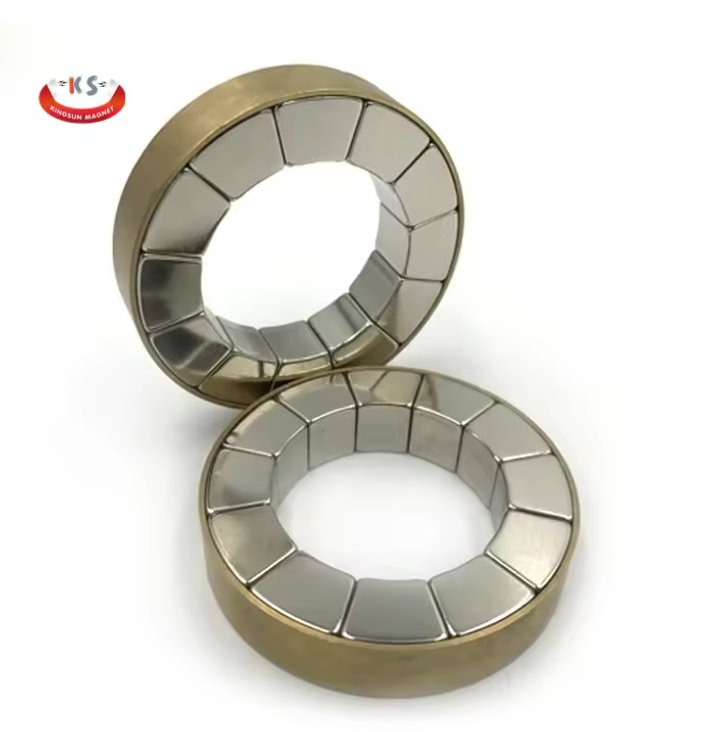
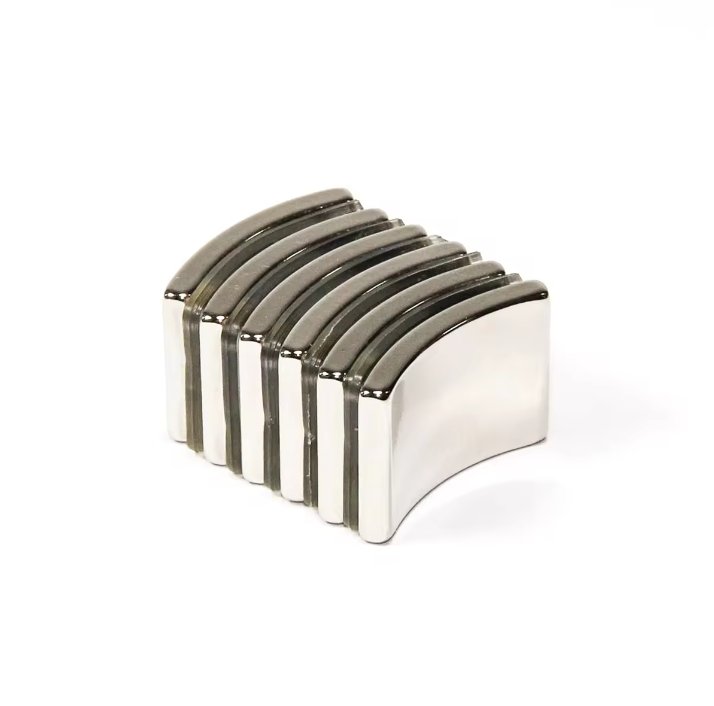
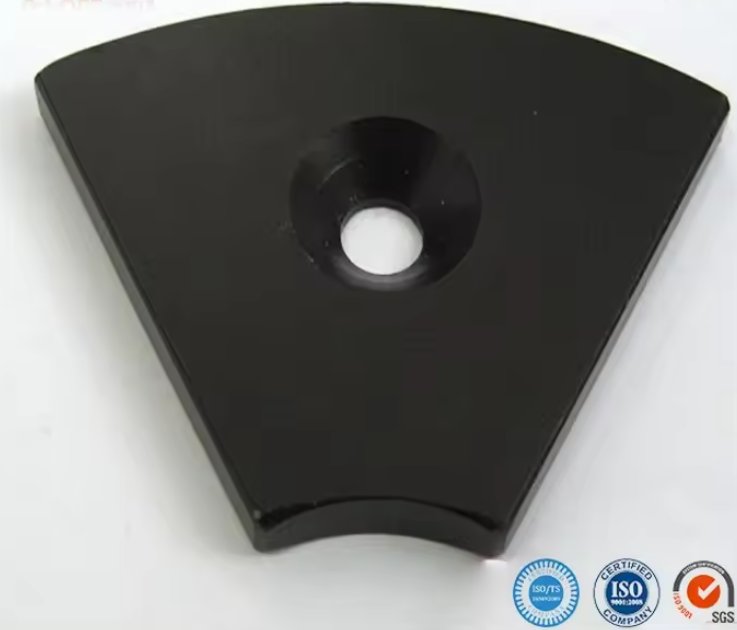
This Magnetic Base sits in a wider range of shapes made from the same material family. If your assembly needs a through-bore for a shaft or a rotating sensor, a ring or arc of the same grade may fit better; if the part must screw or clamp in place, a countersunk or assembled version removes the mounting problem; and if the envelope is fixed but the force target is not met, stepping the grade up within the family usually recovers more force than changing shape. Describe the function to YUECI KEJI and the team will propose the shape and grade together.
Where this material is typically used
In practice this kind of magnetic assembly ends up in maintenance and repair tooling, workshop and inspection setups, retail and exhibition displays, and any job that needs a non-damaging, relocatable clamp on steel. The on/off or swivel feature is what makes it a tool rather than a component.
Buyer Questions
Magnetic Base FAQs
How does a magnetic base turn off?
A lever or screw moves an internal steel shunt that diverts the magnet's flux into a short loop, so little field reaches the outside and the base lifts off. Engage it and the flux is routed down through the base face to lock onto steel.
Will it hold on a rough or painted surface?
Hold drops on rough, painted or thin steel because the magnetic circuit cannot close cleanly. For best results use a clean, flat, thick ferromagnetic surface; tell us the surface and we will quote a realistic working load.
Are magnetic bases export Export documentation and licensing requirements are confirmed per shipment.?
Export classification is confirmed per shipment against the product composition and destination.
Request a quote for Magnetic assembly
You may also like