Alnico
Alnico Block Magnet
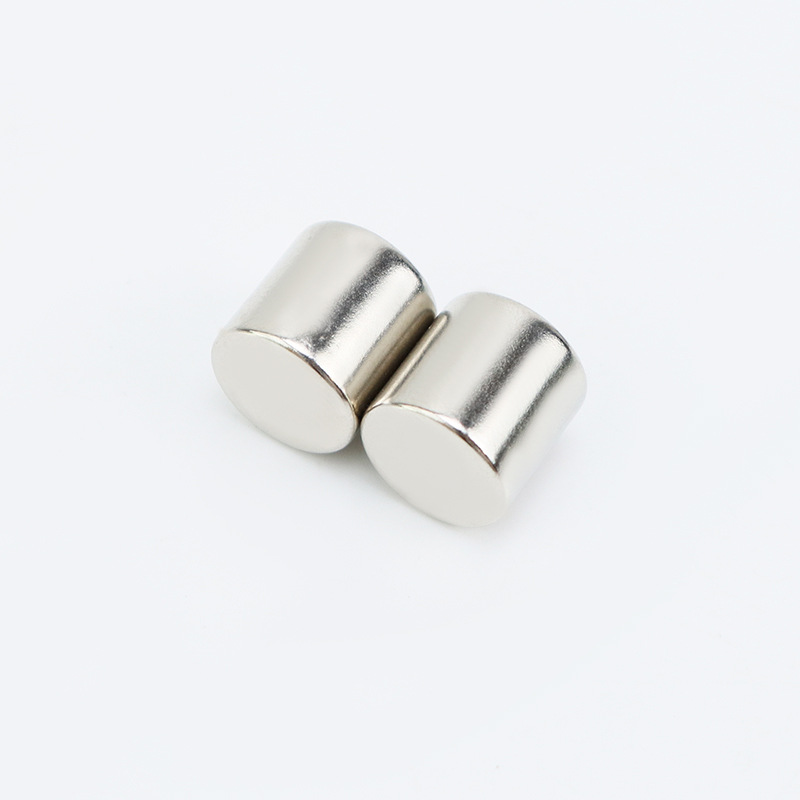
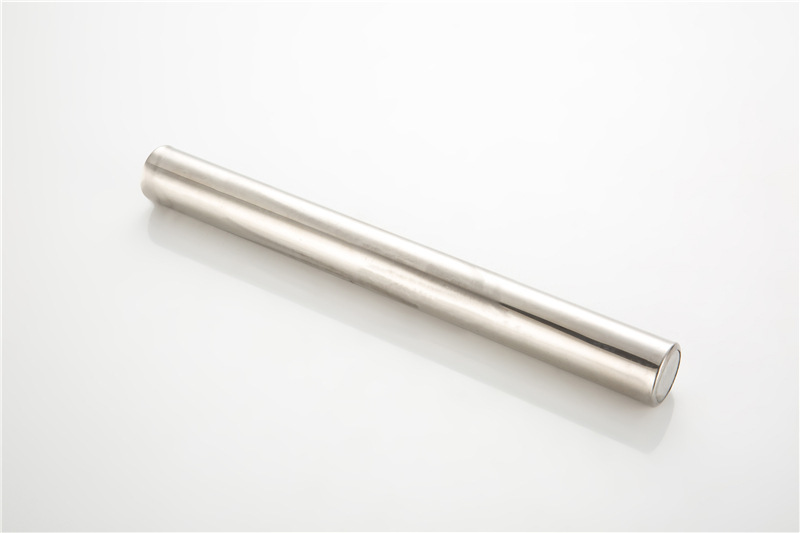
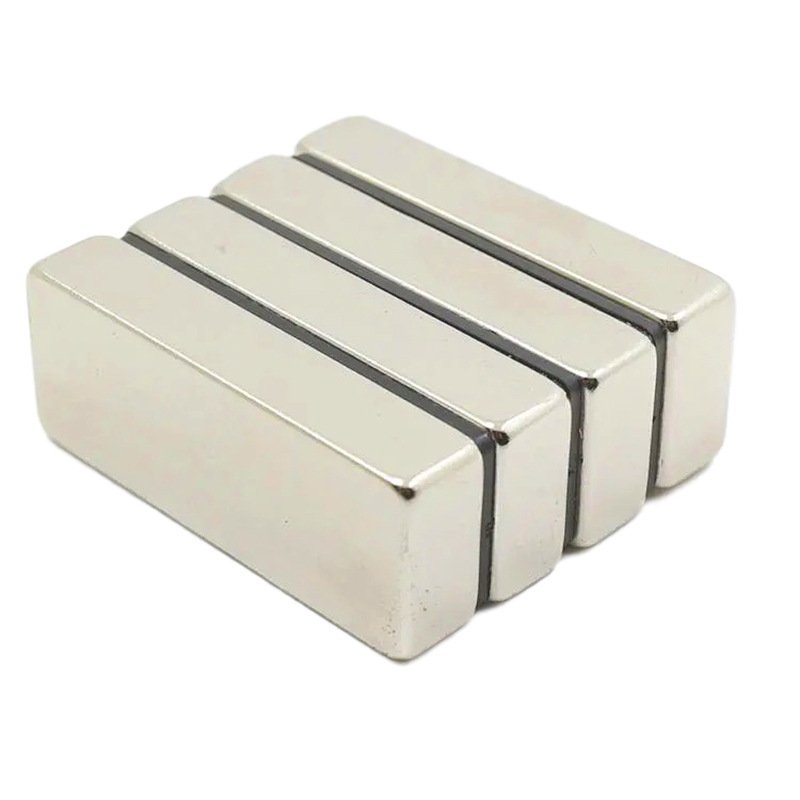
Alnico block magnets are aluminium-nickel-cobalt rectangles prized for thermal stability from cryogenic temperatures up to several hundred degrees Celsius. YUECI KEJI casts or sinters alnico blocks to drawing.
Applications
Sensors and transducers
Meters and instruments
Specialty motors
Why buyers choose it
- Alnico’s very low temperature coefficient keeps field stable over a wide range.
- Usable from cryogenic temperatures up to several hundred degrees Celsius.
- More machinable than ferrite after sintering — drilling and grinding are routine.
- The classic choice for meters and instruments where drift cannot be tolerated.
Specifications
| Grade | Alnico (Al-Ni-Co) |
|---|---|
| Shape | Block |
| Coating | Bare / Epoxy / Ni-Cu-Ni (custom on request) |
| Tolerance | Dimensional tolerances are confirmed against the approved drawing and depend on part size, geometry and finishing process. Please identify critical dimensions when requesting a quotation. |
| Magnetization | Axial along the length |
| Applications | Sensors and transducers, Meters and instruments, Specialty motors |
| Lead time | Production lead time and shipping transit time are quoted separately. The confirmed schedule depends on the approved drawing, quantity, documentation requirements, destination and shipping method. |
| MOQ | Quoted per inquiry |
| Export control | Export classification is confirmed per shipment against the product composition and destination. |
What is an alnico block magnet
An alnico block magnet is made from an aluminium-nickel-cobalt alloy, cast or sintered into a rectangular shape and then magnetized. Alnico is valued above all for thermal stability: its output stays predictable from cryogenic temperatures up to several hundred degrees Celsius, a range no other commercial magnet family covers.
At YUECI KEJI alnico blocks are cast or sintered to drawing and magnetized along the length. The alloy machines well after sintering, so drilling, grinding and threading are routine — a real advantage in instrument work.
Alnico material properties
Alnico has a very low reversible temperature coefficient, so its field changes little as temperature swings — the property that puts it in sensors, meters and instruments where drift cannot be tolerated. It is less brittle than ferrite and more machinable after sintering.
The trade is energy. Alnico delivers less flux per unit volume than NdFeB or SmCo, so parts are physically larger for the same force. Where the design can afford the size, the stability is usually worth it.
Alnico also has the highest useful operating temperature of the common families and resists corrosion reasonably well, so it is often supplied bare or with a light protective coat.
Shape, dimensional tolerance and magnetization
Dimensional tolerances are confirmed against the approved drawing and depend on part size, geometry and finishing process. Please identify critical dimensions when requesting a quotation.
Surface treatment
Alnico resists corrosion reasonably well and is often supplied bare. Epoxy or Ni-Cu-Ni coating is available where the environment or the assembly calls for it.
Typical applications
Alnico blocks end up in sensing and instrumentation: sensors and transducers, meters and instruments, and specialty motors where stability matters more than size.
Handling, storage and shipping
Alnico is less brittle than ferrite but still a sintered or cast ceramic-metal, so blocks ship in padded packing. Because there is usually no plating to corrode, dry storage is enough.
Custom sizing, prototyping and order minimums
Every length, width, height and magnetization direction is built to your drawing or reproduced from your sample. Post-sintering machining — drilling, grinding, threading — is routine and quoted with the part.
Grade, temperature and coating — how this part is specified
A complete specification names the alnico grade, the dimensions with tolerances, the magnetization direction and the operating temperature range. The exact grade window is confirmed on request.
Designing the magnetic circuit and working on the line
An alnico circuit is designed around stability rather than force: the part is sized larger than an NdFeB equivalent would be, and in exchange the field barely moves across the whole temperature range. If size is the binding constraint, NdFeB or SmCo is the answer.
When to choose a different shape
A block is the default for instrument work. Move to a bar when the part must be long and thin, to a disc when the pole face must be round, and to NdFeB or SmCo when force density beats stability.
Where this material is typically used
Alnico blocks end up in sensors, meters and instruments — the applications that chose stability over size decades ago and have not changed since.
Buyer Questions
Alnico Block Magnet FAQs
Why choose alnico over NdFeB for an instrument?
Alnico’s very low temperature coefficient means its field barely drifts as temperature swings, which is exactly what an instrument cannot tolerate. NdFeB is stronger but drifts more.
Is alnico corrosion resistant?
Alnico resists corrosion reasonably well and is often supplied bare or with a light epoxy or Ni-Cu-Ni coat where the environment calls for it.
Are alnico block magnets export Export documentation and licensing requirements are confirmed per shipment.?
Export classification is confirmed per shipment against the product composition and destination.
Request a quote for Alnico Block Magnet
You may also like